With the increasing application of blockchain in finance, ownership, and the internet, there is a rising need to have direct ways of interacting with blockchain technology.
From engaging in crypto assets, decentralized finance, and NFTs, using any of these blockchain technologies requires efficient ways of establishing ownership and completing actions.
A popular tool used for doing this is the Web3 wallet. Instead of being cryptocurrency storage systems, Web3 wallets deal with the cryptographic keys used for accessing assets stored on a decentralized ledger.
Web3 Wallets Overview
A Web3 wallet is a piece of software, browser extension, mobile app, hardware wallet, or any other means through which users can manage the private keys for their blockchain-based assets. However, the wallet itself does not hold any cryptocurrencies but instead gives access to the cryptocurrencies kept in the blockchain.
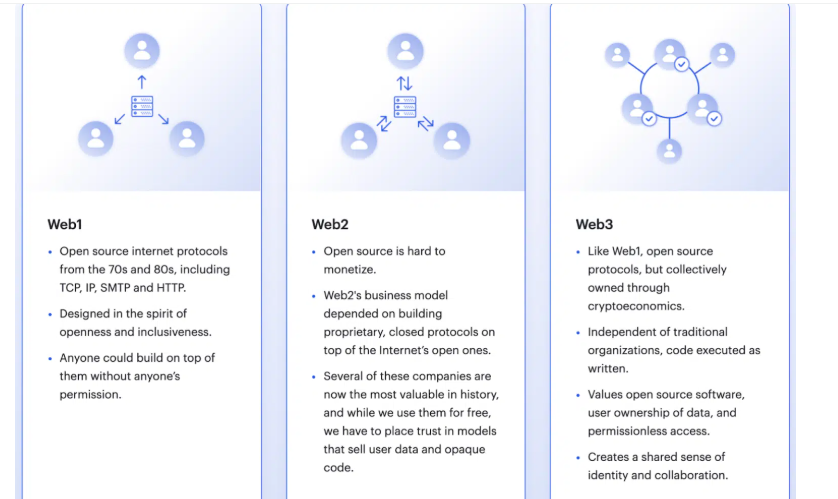
Source: Changelly
Two of the most important elements of the wallet are:
- Public Key: This is the wallet address where the cryptocurrencies are sent.
- Private Key: This is a secure key that is used for making the transaction.
Web3 wallets create something called the recovery phrase. This consists of 12 or 24 words, depending upon the type of wallet, and acts as a backup to access the wallet from any other computer supporting Web3.
Nevertheless, losing the wallet and recovery phrase will lead to the loss of access to the cryptocurrencies in the wallet.
How Web3 Wallets Bridge Users with Blockchain Platforms
Web3 wallets act as gateways connecting users with the various blockchain platforms. In the case of using a decentralized application, the user must first authorize through the wallet.
The transaction procedure usually involves the following steps:
- A user connects his or her wallet to a DApp.
- A permission request to access the wallet is sent by the DApp.
- User accepts or denies the request.
- Transactions that are approved will be signed using the wallet with the help of the private key.
- The blockchain network verifies and logs the transaction.
The above procedure makes it possible for people to make transactions without using banks or other third parties.
Web3 Wallets and Asset Management
In modern Web3 wallets, besides storing tokens, you can perform various other blockchain operations.
These include:
- Cryptocurrency storage and transactions
- NFT management
- Using decentralized finance systems
- Working with decentralized applications
- Supporting multi-chain assets
- Token swapping
Many wallets can operate on multiple blockchain networks, allowing users to keep track of their assets from one platform.
Web3 Wallet Functionality Overview
| Function | Description |
| Storage | Enables access to crypto and NFTs |
| Transferring | Enables sending and receiving digital assets |
| Blockchain Application Access | Allows accessing dApps |
| Decentralized Finance | Enables activities within the DeFi sphere |
| Multi-Chain Support | Manages assets across different networks |
| Transaction Signing | Enables blockchain transactions signing |
Web3 Wallet Types
There are several web3 wallet types.
Hot Wallets
The hot wallet is connected to the internet, and it is widely used as a browser extension or as an application on a phone.
Main features of the hot wallet include:
- Easy access to funds
- Rapid transactions processing
- Connectivity with decentralized applications
As the hot wallet stays online, it becomes more vulnerable to phishing attacks.
Cold Wallets
Cold wallets work offline and are mainly used for long-term storage of assets.
The hardware wallet is the most popular cold storage solution. Hardware wallets are hardware gadgets that hold your private keys offline.
Cold wallets are mainly selected by people who need additional security for their cryptocurrencies.
Smart Contract Wallets
Smart contract wallets use programmable smart contract logic instead of relying solely on a single private key.
Features associated with smart contract wallets include:
- Multiple transaction approvals
- Spending limits
- Social recovery mechanisms
- Programmable account management
The growth of account abstraction standards has expanded the functionality of these wallet types.
Custodial and Non-Custodial Wallets
A fundamental feature of wallets that distinguishes one from another is whether the user has control over his/her private keys.
Non-Custodial Wallets
The private keys in non-custodial wallets are fully managed by the user himself/herself.
Key features of such wallets are:
- Ownership of private keys
- Control over funds
- Third-party has no access to wallet funds
Custodial Wallets
Custodial wallets use a third party that controls private keys on behalf of the users.
This kind of wallet mostly offers:
- Recovery of the account
- Easier accessibility
- Lesser accountability in key management
However, the downside is that users depend on the service provider for securing their assets and accessing their accounts.
Security Risks That Are Related To Web3 Wallets
Web3 wallets allow direct access to the blockchain, but still have some risks.
Most common security risks include:
- Loss of private keys or seed phrases
- Phishing sites created for stealing information
- Malicious smart contracts
- Wrong wallet address
Since blockchain transactions are not easily reversible, security measures become an integral part of handling wallets.
Web3 Wallet Security Measures
A number of ways exist to ensure that there is no unauthorized use or loss of funds.
Among such measures are:
- Offline storage of backup phrases
- Never disclose your private keys
- Checking websites’ addresses before connecting wallets
- Using hardware wallets for larger sums of money
- Updating wallet programs
- Careful examination of approved transactions
These measures will assist in ensuring that wallet credentials are protected while limiting exposure to common blockchain risks.
Conclusion
The Web3 wallets act as the entry point to accessing the various activities taking place on the blockchain network including cryptocurrencies, NFTs, decentralized finance, and decentralized apps. This is achieved through management of credentials that authenticate the transactions on the blockchain, while at the same time putting users in control of their digital assets.
FAQs
What is a Web3 wallet?
A web3 wallet can be defined as a hardware component which enables users to interface with the blockchain to access their cryptocurrencies and NFTs along with decentralized applications.
Is cryptocurrency stored in the Web3 wallet?
Cryptocurrencies cannot be stored directly in the Web3 wallets. The blockchain maintains a record of all the cryptocurrencies while the wallet contains the credentials to access them.
What is the difference between Web3 wallet and crypto wallet?
There is no significant difference between the two; however, the main difference is that Web3 wallets are made for interacting with dApps and DeFi platforms and NFT markets.