

The selection of a stock trading platform is very important when it comes to investment. This is because platforms help investors link themselves to stock exchanges through which they are able to buy and sell shares, monitor their portfolio, analyze markets, and perform research.
With many platforms competing for customers, it becomes necessary for them to compare costs, markets, security measures, trading capabilities, and other services provided by the platform.
The difference among the services offered by different trading platforms could be great, and that makes it important for the investors to judge different services according to their investing needs.
Goals of Investments Prior to Selecting a Stock Trading Platform
Often, investment objectives are considered the main starting point for stock trading platform selection. Each platform is created with specific types of investors in mind, and setting financial goals can limit your options to choose from.
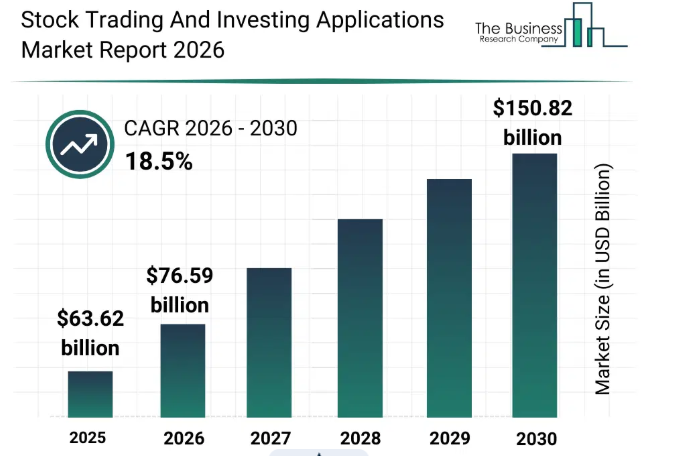
Source: Business research company
Important Features for Investors
- Long-term investing vs active trading
- Preferred investment asset classes and market access
- Portfolio management and research needs
Long-term investors usually pay attention to portfolio management options, research materials, and access to retirement investment options. Active traders tend to give preference to live market data and charts, as well as trade execution speed.
Additionally, many investors take into account whether the platform allows access to the domestic market, foreign market, or both, or whether it offers access to multiple asset classes, including stocks, ETFs, bonds, mutual funds, options, and futures. Market access is still among the most frequently checked features of brokerages and trading services.
Stock Trading Platform Choice and Features
Expense and functionality continue to be very important considerations when choosing a stock trading platform. Even when some platforms claim to offer free trading, there may still be extra fees for an investor to consider.
The most common fees include trading fees, account fees, withdrawal fees, interest on margin borrowings, and currency exchange fees. Investors usually look at the fee schedules to see all the costs of using the trading platform.
| Feature Category | What Investors Regularly Analyze |
| Trading Fees | Commission charges, spreads, maintenance fees |
| Access to Market Instruments | Shares, ETFs, bonds, derivatives |
| Research Facilities | Stock screeners, charts, analysis reports |
| Types of Orders | Market order, limit order, stop loss |
| Access to Trading Platform | Desktop and mobile access |
| Automation | Availability of API and automation features |
In addition to this, research facilities are also a major part of platform evaluation. Numerous trading platforms offer stock screeners, technical indicators, charts, market news, financial statements, and analysts’ ratings.
Order capabilities can be another aspect that attracts consideration when comparing various platforms. Order capabilities that may be included on many trading platforms range from market orders, limit orders, and stop orders to more advanced order capabilities like trailing stops and conditional orders.
Moreover, paper trading tools can be found on some platforms. These tools enable one to engage in simulated trading without using actual money. Some platforms also offer educational materials, such as tutorials, investment guides, webinars, and platform walk-throughs.
Safety, Customer Service, and Additional Issues
Safety continues to be a major element when selecting a trading platform for stocks, as the platform is needed for ensuring protection not only of finances but also of personal data. For this reason, many investors consider the safety measures of the platforms before registering.
Topics Frequently Analyzed
- Regulation and safety
- Mobile access and usability of the platform
- Customer service availability
The security measures taken by online trading platforms usually involve two-factor authentication, the use of encryption, fraud detection mechanisms, and account recovery services.
Moreover, many traders seek assurance that the platform is regulated by financial authorities. The regulatory oversight of the platforms ensures that they meet all the operational criteria and investor safety requirements.
The mobile capability has gained more importance since the investors manage their portfolios through different devices. The platforms offer desktop as well as mobile applications where users can check their investments, analyze market dynamics, and perform trades.
The elements considered in assessing the user experience include the navigation features, personalization of the dashboard, and portfolio management capabilities, among others.
Customer support is yet another key factor to consider. Some of the trading platforms provide support in the form of live chat, e-mail support, phone support, or an online help center. Investors tend to evaluate the availability of such support before setting up an account, especially for their investments or to sort out some technical matters.
Conclusion
Some of the key aspects that one should consider when selecting a stock trading platform include investment goals, trading fees, markets, research facilities, securities, and customer support. Investors will usually evaluate all these aspects to determine whether a particular platform meets their needs.
FAQs
Why is the choice of trading platform crucial?
It defines the features that are offered by the trading platform to investors.
What fees should one examine before opening a trading account?
These include the commission fees, maintenance fees, withdrawal fees, margin interest fees, and currency conversion fees.
What security features does a trading platform usually provide?
Two-factor authentication, encryption technology, fraud protection services, and secure account recovery methods.