The top decentralized exchanges are handling billions of dollars in transaction volume, with customers opting to trade cryptocurrencies using non-custodial wallets instead of depositing their funds with a central exchange platform.
CoinGecko data cited above showed decentralized exchanges handling about $3.9 billion in 24-hour volume, with PancakeSwap V3 and Uniswap V4 among the highest-volume platforms.
Top decentralized exchanges record activity across major networks
DEX activity is distributed across several blockchain networks, and rankings can change as trading volume moves between protocols. According to the data from CoinGecko, PancakeSwap V3 ranks among the most prominent decentralized exchanges on the BNB Smart Chain in terms of 24-hour volume, followed by Uniswap V4 and Uniswap V3 on the Ethereum blockchain.
In addition, Aerodrome also saw significant use on the Base network. According to the above-mentioned data from DeFiLlama, the Aerodrome volume in 24 hours comes to around $432.6 million and $12.2 billion in 30 days. Yet, it does not necessarily mean that one platform is safer and more suitable than the other.
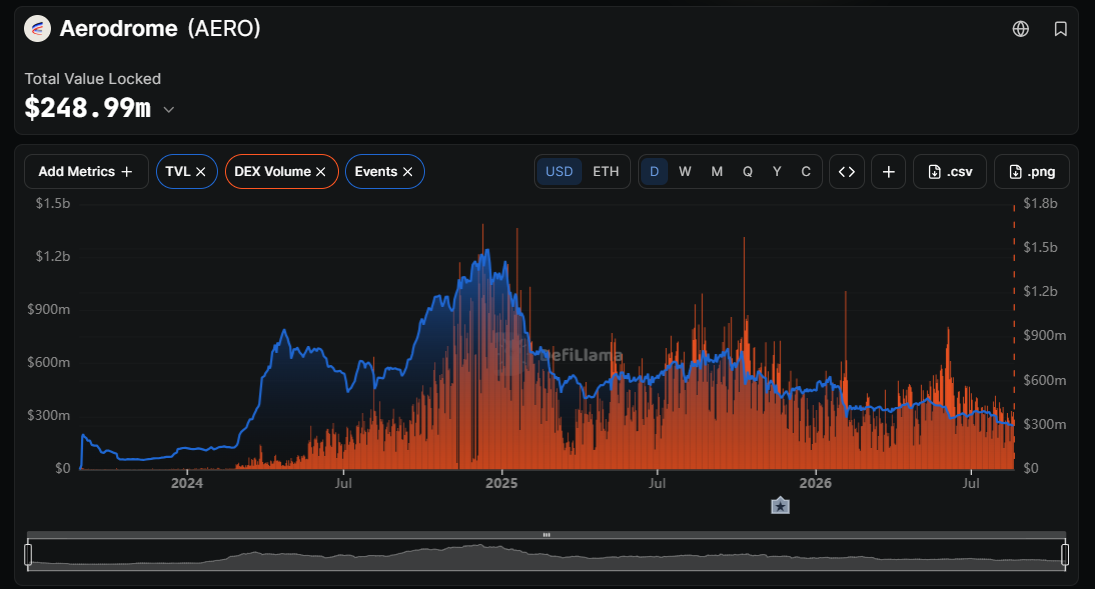
Source: DeFiLlama
The key distinctive features of the leading platforms can be listed as follows:
- PancakeSwap operates across multiple blockchain networks and uses the automated market making system.
- Uniswap provides decentralized trading and liquidity infrastructure across major Ethereum-compatible networks.
- Aerodrome is focused on liquidity and trading activity on Base.
These platforms allow users to connect wallets and authorize transactions without transferring assets into a conventional exchange account.
DEX custody changes the responsibilities of traders
A central distinction between decentralized and centralized exchanges is custody. On the DEX, users typically use their personal wallets to make transactions, while on other exchanges, users must transfer their funds to an exchange-controlled account.
With such an approach, users keep control over their private keys, but at the same time, they take responsibility for the security of their transactions. Token approvals, malicious contracts, incorrect addresses, and compromised recovery phrases can result in losses.
Network fees and trading costs also vary. PancakeSwap documents different fee structures for liquidity pools, while transaction costs depend partly on the blockchain being used. Users must therefore distinguish between trading fees charged by a protocol and network fees associated with processing transactions.
Bitcoin transactions and DEXs use a dissimilar mechanism
The acquisition of native Bitcoin is usually done through an on-ramp for fiat or other services where you can buy using regular money. The buyer will buy the BTC from a centralized exchange, fulfill the needed verification procedures and then transfer the Bitcoin to a wallet.
Alternatively, DEXs could trade the tokens on a smart-contract-based blockchain network. Tokenized versions of Bitcoin can operate on networks such as Ethereum or other compatible chains, but those assets are technically different from native BTC recorded on the Bitcoin blockchain.
Before withdrawing Bitcoin, users must confirm the asset and network supported by the receiving wallet. Sending an asset through an incompatible network can create a separate custody problem because blockchain transactions generally cannot be reversed by a bank or exchange.
Hardware wallets move private-key control to the user
Hardware wallets are designed to keep private keys isolated from ordinary internet-connected environments. Trezor’s cited documentation explains that cryptocurrency remains recorded on its blockchain while the wallet protects the private keys required to authorize transactions.
The documentation of Ledger also describes hardware devices as transaction signers that help to keep the private keys safe and demand physical validation of transactions. Hardware devices and their software serve separate purposes, where software acts as an interface to check balances and prepare transactions.
| Custody method | Main control | Key risk |
| Centralized exchange | Exchange controls custody | Platform failure or withdrawal restrictions |
| DEX with personal wallet | User controls wallet | Transaction and smart-contract risks |
| Hardware wallet | User controls private keys | Recovery phrase or device security failure |
A hardware wallet does not eliminate custody risk. The recovery phrase remains critical because it can restore access to the associated wallet, while unauthorized access to that phrase can allow control of the funds.
A 2026 security incident highlights risks in self-custody
The custody discussion also includes risks outside centralized exchanges. According to Coinrab, dated August 2, 2026, a problem associated with Coldcard resulted in the transfer of funds from Bitcoin wallets to exchanges by some people.
The development provided a recent example of users responding to a security concern involving a self-custody product.
The incidents surrounding centralized exchanges and hardware wallets therefore represent different categories of custody risk. One is based on the use of third-party custodians, whereas the second one focuses more on the role of users in protecting their private keys.
FAQs
Are DEXs custodial exchanges?
No. In DEX, users will link up their individual wallets and give authorization for transactions without the need to send their money into custodial wallets managed by the exchange.
Is native Bitcoin and tokenized Bitcoin the same thing?
No. Native Bitcoin exists on the Bitcoin blockchain while tokenized Bitcoin can be built on other blockchain networks.
Will using a hardware wallet help you avoid custody problems?
No. While hardware wallets provide ownership of the private key, the user will have to keep his/her own recovery phrase and perform authorizations.