
Key Insights
- Access to the accounts is not explained, since the company has not revealed how it had been promoting GOLD via its X account or website.
- Scrutineering comes with linked wallet concentration as it reportedly had 82.45% of the supply prior to the big sell offs.
- Authorization remains unproven because blockchain data does not identify who created or controlled GOLD.
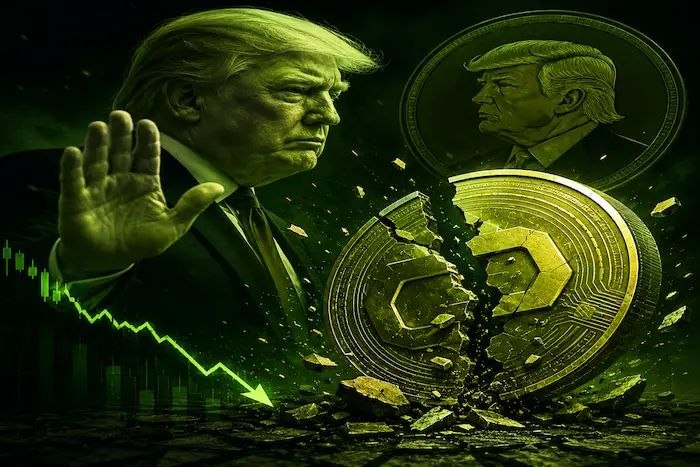
Real Trump Coins denied authorizing the Trump Digital GOLD token after promotional posts appeared across its online channels. The Solana-based token then collapsed nearly 99%, while blockchain data showed concentrated wallets selling large amounts.
The company blamed “third-party bad actors” for the promotion and said it was working with authorities. However, the statement left key questions about the compromised channels and token creators unanswered.
Promotion appears across linked channels
The incident began on August 29 when the Real Trump Coins X account promoted GOLD. The account posted the token’s Solana contract address and directed users toward RealTrumpCoins.com.
— realtrumpcoins (@realtrumpcoins1) August 29, 2026
The website also displayed promotional material for GOLD. Those two links created an appearance of an authorized launch, although the company later rejected that interpretation. The promotional X posts were subsequently deleted. Meanwhile, the account switched its website link to TrumpCoins.com.
That change added another layer of uncertainty because earlier posts had directed customers to RealTrumpCoins.com. One such post appeared as recently as August 25. At the time of publication, RealTrumpCoins.com still displayed GOLD-related promotional content. That continued presence conflicted with the company’s public denial.
GOLD collapses after concentrated selling
GOLD quickly attracted speculative interest before suffering a dramatic collapse. The token reportedly reached a market capitalization near $66 million before falling toward $700,000.
Onchain researcher EmberCN reported that connected wallets sold about 824.54 million GOLD tokens. That amount represented roughly 82.45% of the token’s total supply. Those wallets reportedly received about 9,784.6 SOL during the sales. The combined proceeds reached approximately $1.01 million at the reported prices.
Lookonchain separately identified 15 wallets it described as linked to the team. Those wallets reportedly sold around $330,000 worth of tokens and generated approximately $312,000 in profit. The figures appear to involve different wallet groups or transaction periods. Neither analysis identified the real-world individuals controlling those addresses.
The speed of the collapse intensified concerns surrounding the launch. According to the onchain analysis, GOLD’s market value dropped from roughly $55 million to $1 million within about 30 seconds.
Denial leaves key questions open
Real Trump Coins said it has never authorized, issued, or promoted any digital token. The company also said it would not authorize such a token in the future. However, the statement did not explain how unauthorized material reached both its X account and associated website. It also did not identify the authorities handling the investigation.
The company has not disclosed whether attackers obtained account credentials or accessed website administration systems. It has also not explained when its team discovered the alleged compromise.
Those unanswered questions matter because blockchain transactions alone cannot establish who controlled the wallets. Similarly, the appearance of GOLD on company-linked channels does not prove authorization.
Donald Trump’s verified social media accounts did not publicly promote GOLD. The token also remains separate from Official Trump, the Solana memecoin associated with Trump’s January 2025 promotion.
Trump continued to follow the Real Trump Coins X account. That association, however, does not establish Trump’s involvement in the GOLD launch.
Regulatory & market implications
The incident is a reminder of the danger posed when crypto promotions meet well-known brands in politics or commerce. Whether this is considered an endorsement or not before verification takes place is up to interpretation for investors.
The regulators also could determine whether the promotional claims deceived consumers. In the past the SEC has warned of the possibility of enforcement under other applicable laws for fraudulent activity related to meme coins.
The GOLD case is also an illustration of the transparency constraints of blockchain. While wallet movements offer a comprehensive log of transactions, they don’t necessarily disclose the individuals involved in the addresses.
Investigators then could examine some different lines of evidence
- The records of who accessed the X account may help determine who posted the promotion.
- Changes in the GOLD material may be detectable in website logs.
- Wallet funding patterns could connect addresses to earlier transactions.
- Exchange records could help identify recipients of the proceeds.
Conclusion
Real Trump Coins has rejected responsibility for GOLD and attributed the promotion to malicious third parties. Yet the company has not publicly explained how the token appeared across channels associated with its business.
The near-total collapse and concentrated wallet sales have increased scrutiny, but they do not establish who created the token or whether criminal conduct occurred.
For now, the central issue remains unresolved. Before figuring out who was behind the online promotion, the wallet activities and account access records had to be linked.