Cryptocurrency saving methods have been developed based on the buying method and risks involved in 2026. Stablecoins have reached roughly $305.5 billion in market capitalization, while U.S. regulators have introduced clearer rules covering digital assets, lending, and payment stablecoins.
Staking, decentralized lending, and centralized interest-bearing products all carry different liquidity and failure risks.
The key consideration is not simply the highest annual percentage yield (APY). Investors need to examine the return source, withdrawal conditions, and who controls the assets.
Crypto Savings Strategies Include Staking
Staking can provide additional cryptocurrency from assets supporting proof-of-stake networks. Participants tend to be more involved in securing a blockchain rather than lending any assets to an organization or protocol, with reward rates being based on network protocols.
Ethereum is an example of such platforms where the ETH.STORE reference rate from Beaconcha.in showed a staking reward rate of 2.6% on a yearly basis as of September 6, 2026.
Cryptocurrency is the unit in which staking rewards are paid, which means that their actual value changes with the price movement of the cryptocurrency. Savers will also have to take into account lockups, withdrawal queues, fees, and custody.
Stablecoins Reduce Price Risks
Stablecoins offer exposure to dollar-denominated cryptocurrency without having to bear price risks associated with Bitcoin or Ether. DeFiLlama estimated the total market capitalization of stablecoins at $305.5 billion on September 6, 2026.
The Federal Reserve said stablecoin market capitalization grew about 50% during 2025 and noted stronger adoption among stablecoins with safer and more liquid reserve compositions. It also warned that greater connections between stablecoins, financial institutions, and third-party intermediaries can create additional financial-stability risks.
A stablecoin targeting one dollar still depends on its design, reserves, redemption mechanisms, and issuer. The GENIUS Act created a framework on the federal level for payment stablecoins.
Federal Reserve research published in March 2026 said payment stablecoins must be backed by relatively safe assets such as deposits, short-term Treasury securities, or certain central-bank balances.
Lending Adds Borrower and Protocol Risks
Crypto lending generates returns when deposited assets are lent to borrowers. The interest paid by borrowers can become the lender’s source of income.
According to DeFiLlama, the total value locked in the DeFi protocols is estimated at about $87 billion, with Aave being one of the biggest individual DeFi protocols based on the TVL.
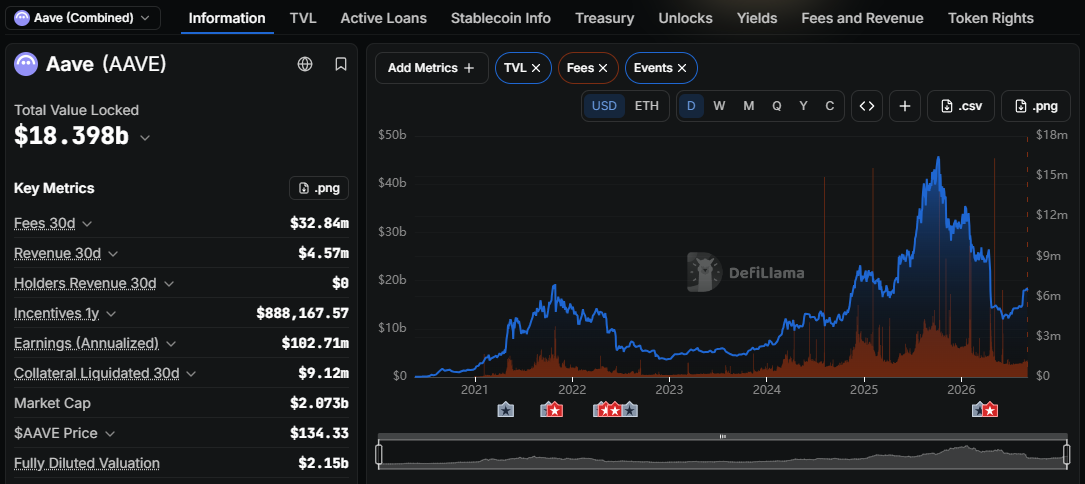
Source: DeFiLlama
Returns from investments in loans could be impacted due to default on the loans, liquidations, vulnerability to hacking in smart contracts, oracle failure, and illiquidity.
In February 2024, TradeStation Crypto is being sued by the SEC for its crypto lending service, which earns interest. It was claimed that the crypto lending service made an unregistered securities offering.
Important Points
- The staking strategy will provide rewards but is exposed to lockup, fee, custody, and price risks.
- The stablecoin strategy reduces price risks but exposes to reserve, redemption, and issuer risks.
- The lending strategy will earn you interest but comes with borrower and smart contract risks.
| Strategy | Return source | Main risks |
| Staking | Network rewards | Lockups, fees, penalties, and price changes |
| Stablecoins | Dollar-denominated exposure | Reserve, issuer, and redemption risks |
| Lending | Borrower interest | Defaults, liquidations, and smart-contract failures |
Higher APYs Need Greater Due Diligence
The high APY demands that the investor be aware of how the yields are generated. The yield may arise out of borrower demand, trade activity, token rewards, leverage, or protocol fees.
The token rewards may lead to lower net return when the token loses value, whereas leverage increases losses, resulting in liquidation.
APY and APR need to be differentiated, where APR represents the simple annual interest rate, whereas APY accounts for compound interests.
Security continues to play a vital role. Self-custody ensures that the users have full ownership of the private keys, making the users responsible for security.
Conclusion
Savings strategies in crypto in 2026 offer different ways of earning, but each method comes with its own risks. In staking, the users will earn from the rewards from the network, but with lending, one might encounter problems with the borrowers as well as the smart contracts’ faults.
The stable coins might reduce the risks of price fluctuations, but they will still depend on the reserves and redemption mechanisms.
Frequently Asked Questions
What are some of the main savings methods in crypto in 2026?
These are staking, stablecoins, lending, and interest-bearing solutions.
What was the Ethereum staking yield rate on September 6, 2026?
According to Beaconcha.in’s ETH.STORE benchmark, the annualized rate stood at around 2.6%.
Are stablecoins without any risks?
Not really. Stablecoin stability relies on various factors such as design, reserves, redemption process, issuers, and market infrastructure.