

Dividend stocks still remain an investment strategy known to many people who want to receive dividends on a regular basis, along with the possibility of capital gain in the future. Firms, which make a profit, have the option to pay out some of their earnings to shareholders in the form of dividends, instead of putting all the money available into their own development.
Dividends provide an additional stream of income beyond fluctuations in stock prices. But dividends are not obligatory; companies can raise, decrease, postpone, or even stop paying dividends whenever they want.
How Dividend Stocks Work
Dividend stocks are those of companies paying dividends to shareholders regularly. Such firms usually represent established companies with stable income.
The dividend amount paid to the investor will be based on the dividend declared and the number of shares owned by the investor. For instance, if the dividend payment by a firm is $0.50 per share, the investor with 100 shares receives $50.
Source: EDUCBA
Most firms declare dividends quarterly; however, some may declare dividends monthly, semi-annually, or even annually. Since dividend declaration depends on the firm’s management decision, it may fluctuate over time depending on the performance of the firm.
Facts about Dividend Stocks
- The firm is not obligated to declare any dividends.
- The dividend payment is subject to the approval of the board of directors.
- The investor gets income from dividends as well as capital gains.
Reasons Why Companies Declare Dividends
Companies can pay out dividends where they still have cash left after spending money on operational costs, capital expenditure, and other requirements of doing business.
Companies whose main aim is growth use any excess earnings generated by the company for investing in research and development, mergers, or expansion rather than paying out dividends to stockholders.
Many big tech firms only started paying dividends once they became financially mature and their cash flows stabilized.
Types of Dividend Payments
There are various kinds of dividends a company can pay.
Common Dividends Types
- Cash dividends: Payments in cash according to the number of shares owned by the shareholder.
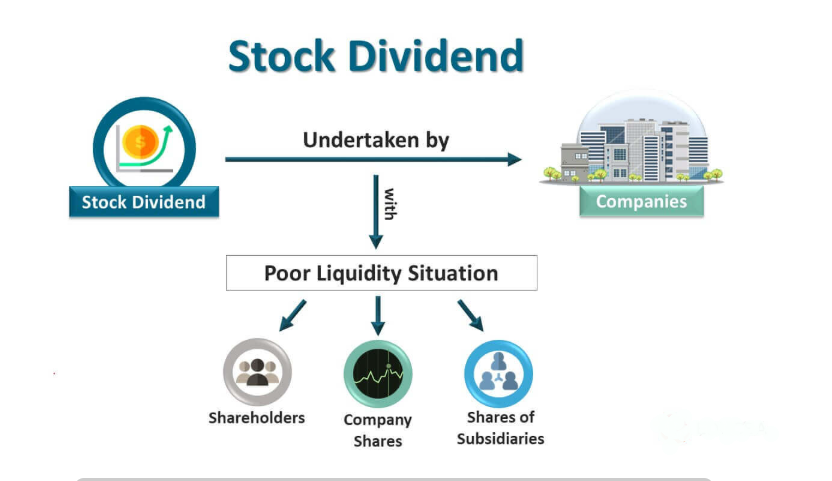
- Stock dividends: Issuance of more shares from the company as dividends without changing the total investment value.
- Special dividends: Occasional payments that result from either exceptionally good profits or sale of assets.
Important Dividend Dates For Investors To Remember
The dividends paid out by dividend stock follow a certain payment structure.
| Date of Declaration | Objective |
| Dividend Declaration Date | The company proclaims the dividend amount and when it will be paid. |
| Ex-Dividend Date | The investor should have the share before this day to receive the dividend. |
| Date of Record | The company decides which investors can receive payment. |
| Dividend Payment Date | The qualified investors get the dividend payments. |
These dates form the complete process of paying the dividend.
Dividend Yield Shows Income
The dividend yield is the annual dividend income expressed as a percentage of the stock market price.
For instance:
- Yearly dividend: $4
- Stock price: $100
- Dividend yield: 4%
However, the Financial Industry Regulatory Authority states that one needs to be cautious of very high dividend yields. An increasing dividend yield might be because of the declining stock price rather than an increase in the dividend yield. Thus, one needs to analyze other factors apart from dividend yield.
Dividend Reinvestment Plans & Portfolio Allocation
Most stockbrokerage companies provide a service known as DRIP, where, instead of receiving dividends in cash, the dividends are used to buy more shares. The amount of dividend money that one earns keeps growing as the number of shares grows.
Charles Schwab further explains that while cryptocurrencies can act as good investments, people should know that dividend-paying stocks are good investments to complement their portfolio because dividend-paying stocks earn their owners regular income while cryptocurrencies depend solely on their rising prices for earning money.
Potential Advantages of DRIPs
- Increases holdings of stock automatically.
- Enables automatic compounding without reinvesting.
- Helps in growing one’s portfolio through extra dividends.
Investor Considerations Prior to Purchasing Dividend Stocks
A few of the financial factors considered prior to purchasing stocks that pay out dividends include:
- Dividend history of the business
- Payout ratio
- Consistency of earnings
- Operating cash flow
Amount of debt and financial stability. Additionally, the source points out that dividend payouts are often cut or even halted during times of poor financial performance, and higher interest rates make dividend stocks less attractive than other income-producing securities.
Evaluating various financial ratios allows for a more comprehensive analysis of the sustainability of dividend payouts than considering just the dividend yield ratio alone.
Conclusion
Dividend stocks offer an investor an option to gain regular dividends from the company while still benefiting from any increases in stock prices. A company can pay cash dividends, stock dividends, or special dividends based on its financial status and capital structure.
Some of the measures that investors consider when investing in dividends include dividend yield, dividend record, payout ratio, earnings, and cash flow.
FAQs
What are dividend stocks?
Dividend stocks are those issued by companies which pay out a portion of their profits in form of dividends to the investors.
Is there any obligation for a company to pay dividends?
No. Payment of dividends is voluntary and can be raised, reduced, stopped or cancelled by the management of the company.
What is the dividend yield?
Dividend yield refers to the ratio of dividend income earned from the investment relative to the cost of the investment.