Robinhood Chain is an innovative blockchain platform developed by Robinhood to tokenize financial assets using Ethereum blockchain technology. The launch date of this network on the mainnet was July 1, 2026, with the help of Layer-2 technology of Ethereum and representation of stocks, ETFs, and other real-world assets.
During the first week, there have been some integration projects implemented between this chain and various DeFi projects and infrastructures, as well as very active on-chain activity.
Robinhood Chain uses the Arbitrum Dedicated Blockchains technology, which performs transactions separately from Ethereum and then settles them in order to save money and improve throughput.
Leveraging Ethereum Layer-2 Technology by Robinhood Chain
Robinhood Chain works as a Layer-2 blockchain of Ethereum instead of an independent Layer-1 blockchain. In contrast to Layer-1 blockchains, Robinhood Chain does not perform all transactions in the Ethereum blockchain but performs them separately and then settles them in the Ethereum blockchain. It prevents congestion in the Ethereum network and makes more transactions possible.
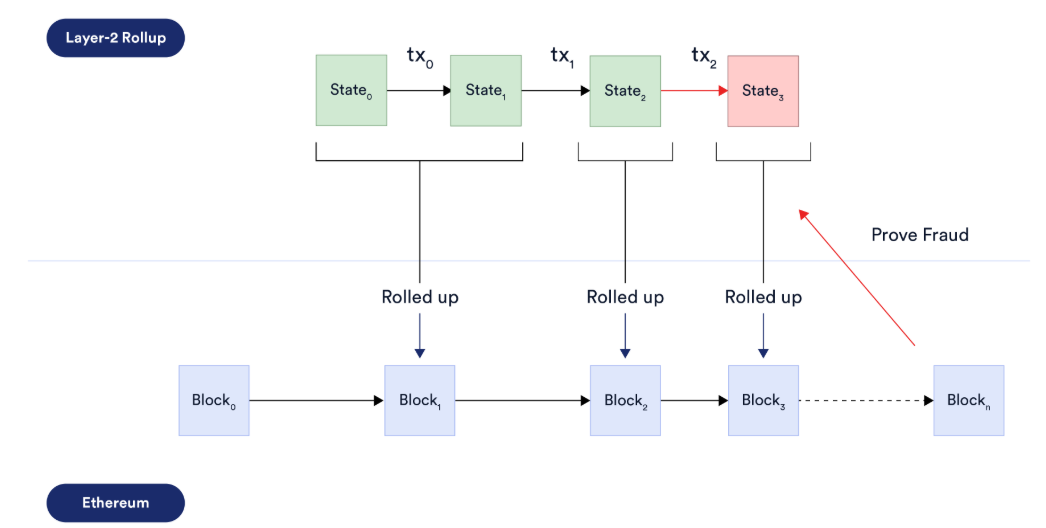
Source: Chainlink
This network makes use of Ethereum (ETH) as the native fee-paying gas token for users to pay network fees. The network also supports EVM compatibility for developing dApps on it through existing development technologies for Ethereum networks.
Robinhood Chain is an offshoot of Arbitrum Dedicated Blockchains technology provided by Offchain Labs and allows connections through JSON-RPC support with Ethereum-based wallets and applications.
Transaction Processing on Robinhood Chain
Robinhood Chain operates on a FIFO approach of processing transactions rather than offering transaction priority through paying extra fees.
Each transaction goes through three steps:
- The sequencer gets and executes the transaction.
- Batches of transactions are uploaded to Ethereum.
- The final settlement of the transaction takes place on Ethereum.
This sequential order helps in organizing transactions according to their order of arrival before recording them in the Ethereum blockchain.
Robinhood Stock Tokens: Investment Opportunities Through Blockchain Technology
One of the key aspects of the Robinhood Chain project is Stock Tokens. This blockchain asset gives investment opportunities in public stocks, ETFs, and other assets.
According to Robinhood, the Stock Tokens cannot be considered equivalent to owning shares directly in any company. Legal ownership rights and stockholder voting rights cannot be accessed by holders of Stock Tokens. In addition, according to Robinhood, these tokens are not regulated as securities within U.S. law and are not accessible to Americans. Some other restrictions are placed on users in countries such as Canada, the UK, and Switzerland.
These assets are categorized as RWA tokens since they represent financial assets that operate outside of blockchain networks while being compatible with decentralized applications.
Blockchain Integration via Network Services
The Robinhood Chain network is integrated with several blockchain services and decentralized finance solutions, which are the core part of the network infrastructure.
Such services include:
- Decentralized exchanges, Uniswap.
- Decentralized loans Morpho.
- Chainlink price feed.
- Alchemy developer infrastructure.
- BitGo custodian services.
- Paxos for the USDG stablecoin.
This integration allows decentralized apps deployed on Robinhood Chain to use decentralized exchange, lending, price data, custodian, and stablecoin solutions via Ethereum smart contracts.
Substantial On-Chain Activities of Robinhood Chain
Within the first week since the creation of its mainnet, Robinhood Chain witnessed considerable on-chain activities through some key network parameters.
Based on the information available, there were the following on-chain activities in the network:
| Metric | Reported Figure |
| Transactions | More than 17 million |
| Number of Wallet Addresses | Nearly 350,000 |
| DEX trading volume | More than $1 billion |
| TVL estimated by Company | Approximately $250 million |
| TVL of DefiLlama Core Protocol | Roughly $94 million |
| Stablecoin Holdings | Over $260 million |
Robinhood further points out the difference between independent third-party data provided by DefiLlama and Robinhood’s estimates for TVL of the protocol as different approaches to calculating assets within the protocol.
Cash Cat Made an Important Contribution to Initial Trading Volume
The initial trading volume on the network was also marked by greater attention to another meme coin known as Cash Cat (CASHCAT).
According to Robinhood, the token saw significant growth in its price just after launch due to the desire of traders to get exposure to this blockchain. Furthermore, other meme coins became more and more popular after Cash Cat.
Advantages and Operational Structure
The learning component of the given document contains certain operational features of Robinhood Chain.
They are as follows:
- Lower transaction fees by virtue of off-chain transactions.
- Faster transaction settlement than Ethereum Layer-1.
- Improved scalability by settling multiple transactions at the same time.
- Security using Ethereum by virtue of periodical settlement on the base blockchain.
Furthermore, the document mentions that blockchain technology has the capability of enabling continuous trading in tokenized assets according to regulatory requirements. It is worth mentioning that blockchain settlement could lead to faster settlement compared to traditional equity markets, along with fractional ownership and an auditable transaction trail.
Conclusion
Robinhood Chain is a combination of Layer-2 solutions based on Ethereum infrastructure and tokenized real-world financial assets via a blockchain network. The network uses ETH as its transaction fees token, is compatible with Ethereum smart contract protocols, and offers such features as decentralized trading, lending, oracle service, custody, and stablecoins.
Within one week after launch, Robinhood Chain completed more than 17 million transactions, had about 350,000 addresses, processed more than $1 billion in decentralized exchange, and introduced Stock Tokens, a way to trade tokenized real-world financial assets under specific jurisdiction regulations.
FAQs
What is Robinhood Chain?
Robinhood Chain is a Layer-2 Ethereum blockchain, which was launched on July 1, 2026. It is made to work with tokenized stocks, ETFs, and other real-world assets with Ethereum being used as final transaction settlement platform.
How do Robinhood Chain transactions get processed?
Transactions are performed on a first-come, first-served basis. Transaction requests get accepted by a sequencer, bundled up, and sent to Ethereum blockchain for execution.
Which token is used to pay Robinhood Chain transaction fees?
Robinhood Chain uses Ethereum (ETH) token as its gas token to perform transactions.