

Stocks of companies operating in the metaverse remain popular among investors, as many tech companies aim to develop the necessary technology.
Although the metaverse does not exist at this stage of development, there are active attempts to create technologies associated with the VR hardware, software, connectivity, blockchain, cybersecurity, and semiconductor technology areas.
This term describes an ongoing virtual world where one would be able to do things like work, socialize, engage in commerce, and own property. Despite the absence of any widespread adoption to this point, businesses specializing in the underlying technologies continue to develop solutions that may one day help enable such a metaverse.
Nevertheless, the industry’s attention gradually moved to AI development in subsequent years, forcing some companies to cut their metaverse projects’ scope. Nonetheless, there were further developments in the sphere of virtual reality, augmented reality, and Web3.
Why Firms Are Interested in the Development of the Metaverse
The metaverse is considered a new stage of the Internet’s development that implies immersive experiences, engagement of the user, and digital ownership. Companies had been interested in working with this sector because of the necessity of developing multiple sectors to create an effective metaverse.
In 2021, a lot of attention was brought to the metaverse sector by the announcement made by Meta regarding the company’s intentions to make metaverse investments.
Technology firms, gaming companies, e-commerce websites, and cybersecurity organizations began to consider the possibilities of virtual environment use. According to the article, several technology layers are essential for developing a metaverse.
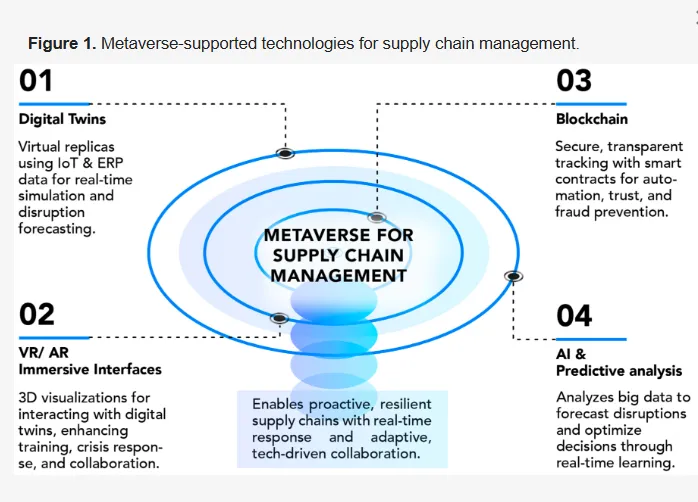
The metaverse also differs from many technology trends because it depends on several technologies developing simultaneously. Virtual environments require computing power, high-speed internet connectivity, digital ownership systems, security protections, and tools capable of creating realistic digital content.
Metaverse Stocks and the Technology Layers Behind Them
Immersive Hardware
Immersive hardware forms the entry point for virtual experiences.
Virtual reality goggles, augmented reality glasses, and haptic equipment have been developed for users to engage with the digital environment.
Source: mdpi
According to Meta Platforms, it has made a significant investment in VR equipment using the Quest series of products. Other companies, including Apple and Sony, have also entered the spatial computing and immersive hardware market.
3D Creation Software
Virtual environments require software capable of building and rendering digital content. Unity Software remains one of the most widely used providers of real-time 3D development technology.
According to Unity Software, the company uses its tools extensively for game creation, architectural design, simulation, and film production, making it one of the largest providers of real-time 3D content creation technologies.
Interactive Platforms
Interactive platforms provide an avenue for users to interact with each other, participate in digital communities, and conduct business digitally.
Examples of gaming platforms that have developed virtual worlds include Roblox and Fortnite. The developer of Fortnite, Epic Games, has developed a virtual world where user-created content is used. Shopify has developed tools for selling digital assets like NFTs.
Connectivity Infrastructure
For the development of a metaverse, high-speed internet connections are required to enable real-time interactions. Improvements in 5G technology and fiber internet are some of the important infrastructure elements required.
The growth and development of the industry in the field of virtual space require the presence of fast internet connectivity, which includes 5G connectivity and fiber broadband.
Blockchain and Digital Ownership
Blockchain technology has been recognized as a possible backbone of ownership, governance, and transactions in virtual worlds.
Semiconductors and Cybersecurity
Another element in the metaverse infrastructure is computing capacity, where increased computing power may be needed to sustain more sophisticated virtual environments.
In addition, cybersecurity should be a critical aspect. As noted by Apple Newsroom, an example of a firm that offers cybersecurity solutions on the cloud platform includes CrowdStrike Holdings.
Issues for Metaverse Development
As the process advances, there are challenges that come into play. There was a drop-off in the metaverse industry following its peak performance during 2021 and 2022 as businesses curtailed their metaverse ventures amid increasing AI innovation and technology.
The lack of enthusiasm slowed down in 2023 and 2024 owing to the slow pace of development and increased AI focus.
The metaverse is thus an emerging technological objective, not yet a ready-for-use commercial product. Improvements require ongoing innovations in hardware, software, networks, blockchain, semiconductors, and cybersecurity.
What Is Different from the Metaverse Craze of 2021?
Several developments have occurred since then. Meta still remains committed to investing in virtual reality technologies.
Meanwhile, Apple releases its Vision Pro in the market. Conversely, the progress of blockchain and Web3 technologies continues amid reduced media coverage.
The broader technology sector is increasingly focused on artificial intelligence, yet the underlying technologies associated with virtual environments continue to advance in parallel.
Conclusion
Metaverse stocks remain connected to a broad range of technologies rather than a single industry. According to Unity Technologies Investor Relations, companies involved in immersive hardware, 3D software, connectivity, blockchain infrastructure, semiconductors, cybersecurity, and interactive platforms continue contributing to technologies associated with future virtual environments.
FAQs
What are metaverse stocks?
These stocks refer to the shares of publicly held firms working on the technologies that could form parts of the metaverse of the future, such as VR, AR, software, connectivity, blockchain, and cybersecurity.
Who develops the metaverse?
Companies operating in this sphere include Meta Platforms, Unity Software, Shopify, Apple, Sony, Roblox, Epic Games, and CrowdStrike Holdings.
How Does Blockchain Work with Metaverse?
It is possible to say that blockchain technology plays an important role in preserving ownership and transferring value within digital environments.