
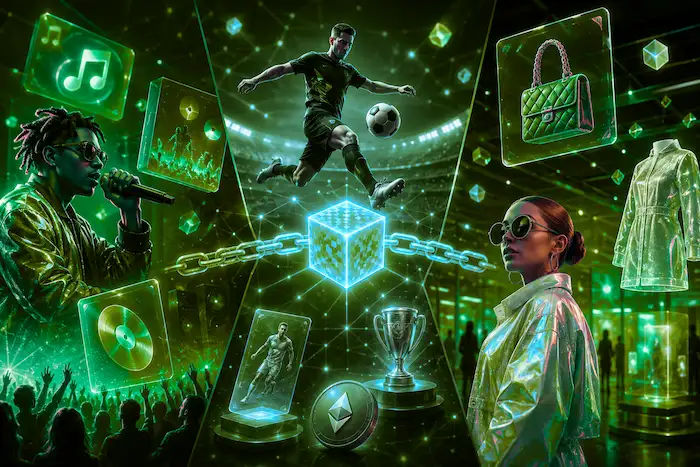
The adoption of Web3 continues to increase as organizations and individuals continue to find ways of utilizing blockchain technology in order to have ownership and interaction with the web. This new technological advancement allows the use of new methods to record transactions, handle intellectual property, and link digital assets with physical assets.
Following the adoption of this concept, there has been a growing acceptance of blockchain technology and NFTs in the areas of the music industry, sports clubs, and fashion brands.
The stakeholders in the industry have been able to use Web3 tools to come up with a chain of custody documentation, issue digital assets, and establish communication between the creators and the fans. While adoption varies across industries, there are some good examples of how blockchain is being used in current business models.
Web3 Adoption is revolutionizing the Music Industry.
Since the advent of the 21st century, there have been many transformations within the music industry, such as the change from CDs to online streaming services. The use of Web3 is yet another step within this digital revolution.
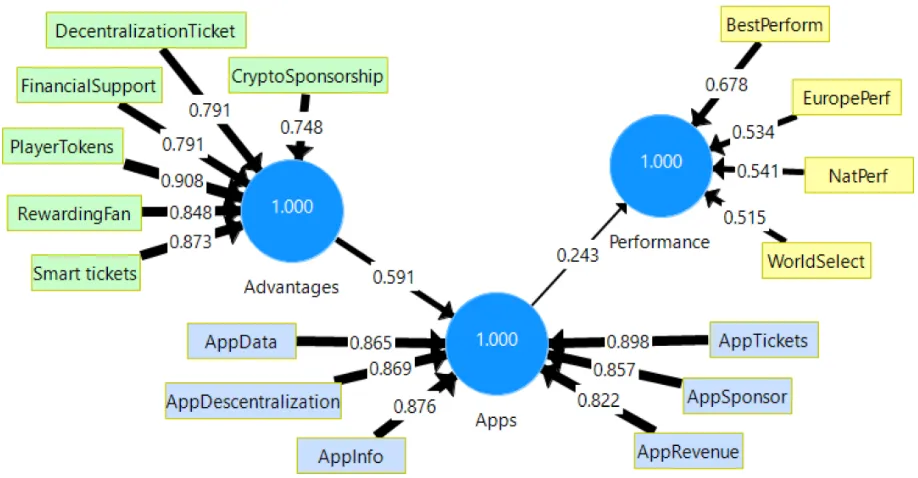
Source: mdpi
These are nonetheless very important in the music industry, in relation to music rights and royalties. Currently, blockchain technology is used to record this information.
However, ownership rights can be transferred to these assets, and new revenue models can be developed for these assets based on digital ownership.
The technology also gives the artists the ability to distribute the content without depending on the traditional distribution chain. By using the tokenization and ownership structure of NFTs, creators can have a more direct connection with their supporters and have better control over the transfer and usage of their digital assets.
How Web3 is transforming Sports and Fan Engagement.
One of the most apparent examples of NFT fantasy sports systems is tokens for fantasy football. These platforms are digitizing athlete cards and enabling users to create virtual teams via blockchain assets. Participants can enter tournaments and interact with other users at decentralized gaming ecosystems.
In addition to fantasy sports, blockchain is being looked at for ticketing and sponsorships. Smart contracts can establish a transparent record of transactions, offering clear documentation for event organizers, sponsors, and attendees. Industry commentators have pointed out that these apps place more emphasis on verifying ownership, digital collectibles, and engaging fans than on operating conventional sports operations.
| Industry | Web3 Application | Main Function |
| Music | NFT rights for music | Copyrighting and royalties tracking |
| Music | Tokenized music | content engagement |
| Sports | NFT sportspersons cards | Fantasy sports players |
| Sports | Ticketing based on smart contracts | Secure transactions |
| Fashion | NFT collections | Digital ownership |
| Fashion | Blockchain tracking | Supply chain traceability |
Blockchain Transparency in Fashion
Luxury fashion brands have been experimenting with the use of blockchain technology in engaging customers and managing the supply chain.
Several luxury fashion brands have launched their own NFT collection tied to tangible goods. This means the owners of the digital product are able to gain access to the physical goods or any other related services associated with the purchase.
NFT ownership rights have also led to brand collaborations with NFT holders of digital collectibles. Some NFT owners have had the chance to leverage IP rights with their NFTs for bespoke products and clothing.
Transparency in the supply chain is a growing concern, in addition to digital collectibles. The blockchain system can be used as a tamper-resistant ledger that tracks the production to sale of products. The supporters of these systems believe that these sets of records will enhance the visibility of production processes and product authenticity.
Web3 Challenges that Impact Its Adoption
As the wide implementation of Web3 becomes a trend for many people, a variety of issues can still be highlighted.
For example, the issue of technical complexity may come under discussion. The matter is that smaller businesses or independent creators may simply fail to possess necessary knowledge required to use blockchain-based technologies.
Another issue to consider here may be connected to the cost of the whole process. It means that some companies lacking financial resources may have trouble implementing blockchain due to high expenses related to blockchain technology and its maintenance by the developers or providers.
Finally, one should note that the majority of users do not really have any practical experience with the mentioned technologies like blockchain apps or NFTs. That is why it is essential to estimate the feasibility of implementing Web3 initiatives depending on potential user participation.
For supply chain implementations, blockchain tracking technologies require consistent input of data through all stages of manufacture and delivery, requiring extra requirements for that.
What Existing Web3 Trends Reveal
The latest adoption trends concerning Web3, in the fields of music, sport, and fashion, serve to demonstrate how the technology can be implemented within such spheres as ownership, transparency, digital asset management, and customer interactions.
Web3 solutions have been employed for developing NFT products, blockchain right management systems, fantasy sports platforms, and supply chain management tools. At the same time, various technical aspects, implementation expenses, and user uptake need to be considered by companies exploring blockchain opportunities.
While blockchain technology remains the foundation, industry players are now gearing up to adopt the technology for real-world applications that relate digital ownership to traditional products, services, and communities.
Conclusion
In the music, sports, and fashion industries, Web3 applications are now enabling digital ownership, transparency, and blockchain-based recordkeeping. Industry players have developed NFT products, decentralized engagement models, and supply-chain tracking systems, and have experimented with new methods of digital asset management.
FAQ
what is Web3 adoption?
Web3 adoption is the use of blockchain technology, decentralized applications, and digital assets in various industries and organizations.
In what ways can Web3 be used in the music industry?
Uses of NFTs in Web3 comprise record tracking, royalties tracking, digital assets tracking, and artist interaction.
How can Web3 be used in sports?
Leagues in the sports industry make use of NFTs collectibles, fantasy sports sites, and others in their digital ecosystems.
What role does blockchain play in the fashion industry?
Blockchain can supply traceable records of products, aid NFT collections, and enhance increased visibility in the supply chain.