In an effort to gain quick entry into the new cryptocurrency tokens launched on decentralized exchanges, the use of automated methods has grown extensively.
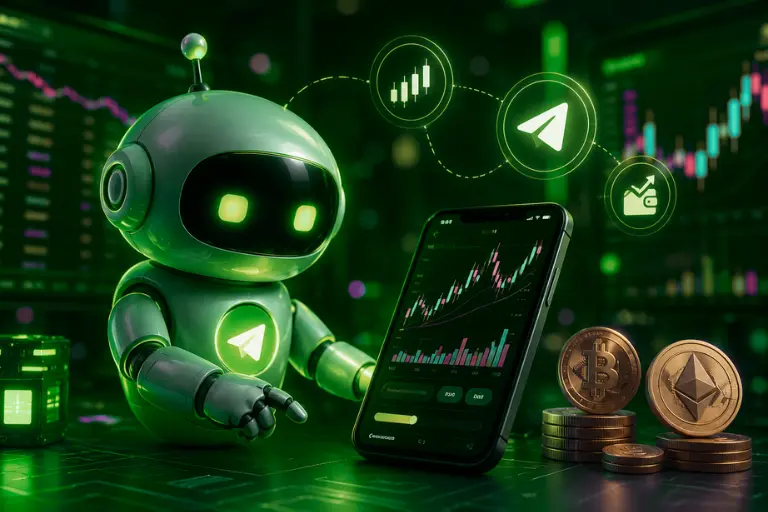
Telegram trading bots have emerged among those automated systems, allowing crypto traders to conduct trades on decentralized exchanges using Telegram’s interface.
The use of Telegram trading bots has received much attention due to the increased activity within different ecosystems such as Solana, Ethereum, and Base, among others, where traders seek to buy tokens at their time of listing.
According to research by Binance, the total lifetime trade volume of Telegram trading bots exceeded $283 million by August 15, 2023.
Unlike the older decentralized exchange user interfaces, where the above functions were performed independently, the trading bots in Telegram incorporate all of the above under one messaging app interface.
These techniques help with token sniping, copy trading, stop loss, and MEV-aware transaction routing.
What Are Telegram Trading Bots?
Telegram trading bots are automated programs connected with decentralized exchange protocols such as Uniswap and perform transactions on blockchain networks through Telegram orders.
Unlike traditional systems that involve manual engagement with cryptocurrency exchange websites and wallets, token purchase and sale take place using Telegram notifications.
The majority of Telegram bots, which allow token purchase and trading, request their customers to open wallet accounts or use existing ones that are accessible with the help of private keys. Once the wallets have been loaded with funds, they can be used to purchase tokens by entering the token contract address.
These systems make trading easier by reducing the number of transactions and signatures required when trading manually on decentralized exchanges.
How Telegram Trading Bots Operate
Telegram trading bots operate on blockchain and decentralized exchange platforms, once users issue commands
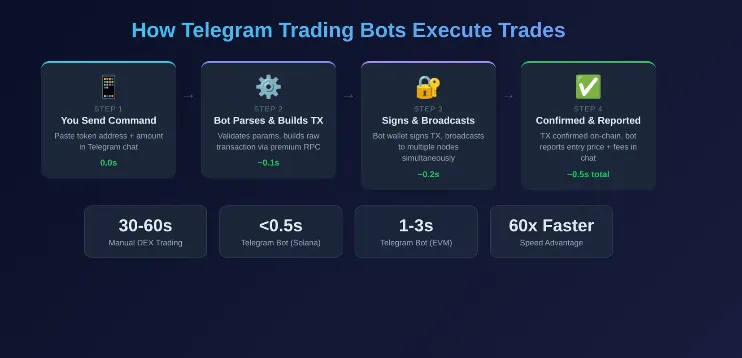
Source: Dextools
Common Onboarding Procedure
Typically, a trading bot in Telegram has an almost identical onboarding process:
| Step | Description |
| Connect Bot | Trader connects to the trading bot through Telegram |
| Create Wallet | Bot creates a wallet or imports an already existing one |
| Funding Wallet | The trader sends money into the wallet |
| Token Contract | The trader puts the token contract into Telegram |
| Conducting Trade | The bot conducts the trade |
As indicated in the source material, traders are often encouraged to use multiple wallets rather than importing their primary wallet into Telegram.
What is Token Sniping
Token sniping is the practice of buying new tokens as soon as liquidity is created. Telegram trading bots help users practice this by detecting liquidity creation and sending orders very quickly.
Some bots can detect when developers add liquidity to decentralized exchanges and automatically submit buy orders using similar gas settings.
Main Features of Telegram Trading Bots
Telegram trading bots contain multiple automated trading functions used across decentralized finance markets.
Copy Trading
Copy trading allows users to automatically mirror transactions from selected wallet addresses. Under this structure, the bot executes identical trades based on activity from another trader’s wallet.
Anti-MEV Protection
MEV refers to “Maximal Extractable Value,” a process where bots attempt to profit from pending blockchain transactions.
Some Telegram trading bots route transactions through private relays instead of public mempools to reduce exposure to front-running and sandwich attacks.
Anti-Rug and Honeypot Detection
Some systems attempt to identify malicious developer activity tied to rug pulls or honeypot scams. If suspicious activity is detected, the bot may automatically exit the position.
The source material states that these features remain experimental and may not work consistently in all market conditions.
Top Telegram Trading Bot Features for 2026
| Feature | Description |
| Token Sniping | Taking hold of tokens upon their release |
| Copy Trading | The duplication of another user’s trading actions |
| Multi-Wallet Trading | Conducting trades in multiple wallets |
| Anti-MEVS | Protecting against sandwich attacks |
| Stop-Loss Orders | Protection against potential losses |
| Take-Profit Orders | Protecting profits |
| Airdrop Mining | Automation of participating in token distribution |
Comparison of Telegram Trading Bots and DEX Trading
| Feature | Telegram Trading Bots | DEX Trading |
| Execution speed | Faster Average | Manual execution |
| Interactions with wallet | Automated | Requires approvals |
| Token Sniping | Available | Less available |
| Copy Trading | Supported by some bots | Less frequent |
Telegram Trading Bots Related Risk
Telegram trading bots come with their share of risks despite increasing usage.
Primary Trading Bot Risks to Track
| Risk | Description |
| Exposure to Wallets | The bots can gain access to wallet details |
| Risk of Smart Contracts | Vulnerability in unaudited smart contracts |
| Honeypot Attacks | Token will lock your ability to sell |
| Low Liquidity Risk | Slippage risk due to low liquidity |
| Technical Risks | Automated execution failures may occur |
As per the Binance, Telegram trading bots are usually involved in interacting with smart contracts which are potentially un-audited.
Examples of Real-World Telegram Trading Bots
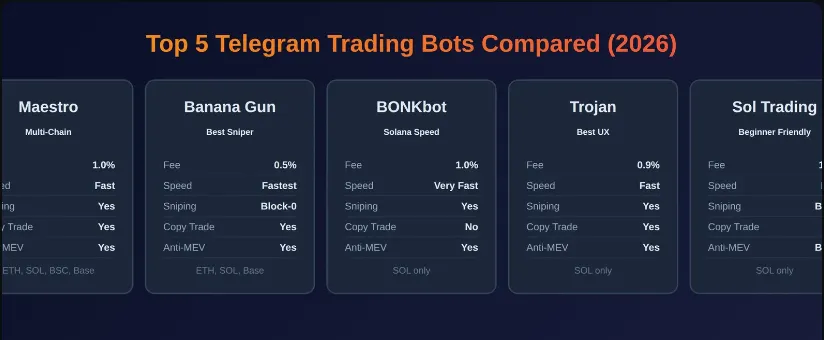
Some Telegram trading bots that have made the headlines in decentralized finance markets include:
- Banana Gun
- Maestro
- BonkBot
Such bots usually focus on token sniping, automated trading, and meme coin trading.
Source: DexTools
Safe Practices for Beginners
Some of the safe practices for new users when using Telegram trading bots include:
- Create different wallets for bots’ work
- Avoid keeping large amounts in bot-associated wallets
- Check token contracts’ addresses
- Do research on smart contract audits
- Always start small and make test transactions first
- Never trust airdrops not verified by the project developers
Conclusion
Telegram trading bots have become increasingly integrated into decentralized trading activity as automated execution tools continue expanding across blockchain ecosystems. The systems combine wallet infrastructure, decentralized exchange access, token sniping, and copy trading inside Telegram-based interfaces.
Frequently Asked Questions (FAQ)
Is Telegram trading bot safe?
It might be dangerous due to wallet security issues and the risks posed by smart contracts.
What is mempool?
A mempool is a holding area where blockchain transactions wait to be confirmed.
What is honeypot scam?
Honeypot scams are scams involving tokens which may be bought but will not allow users to sell.
Which blockchains enable Telegram trading bots?
Telegram bots for trading are popular in the Ethereum, Solana, and Base blockchains.