In buying property, several administrative procedures have to be done in order to ensure that the transaction takes place effectively. This is due to the fact that each party involved will conduct its own process of verification.
Some of the procedures include the signing of contracts, confirmation of payment, verification of titles, and registration of documents. This can make the process cumbersome and costly. With the advent of digital solutions transforming traditional banking and other industries, one of the technologies being looked into is blockchain for the simplification of property administration.
The use of smart contracts in making property sales simpler is now becoming an increasingly popular topic as various stakeholders are looking into new methods of streamlining property transactions.
The use of smart contracts is what distinguishes blockchain technology since the smart contract will initiate an action upon meeting particular conditions. Unlike the manual process of transacting, where the transaction itself is recorded manually, blockchain records the transaction electronically.
What is a Smart Contract?
A smart contract is a computerized system built within the blockchain framework. The contract automatically initiates action upon meeting specific conditions.
For example, a smart contract may be programmed to initiate the transfer of ownership only after verifying the payment from the buyer. When there is no completion of payment, ownership will remain the same. This is done in accordance with the program set without having to manually trigger it.
Smart contracts are different from regular contracts in the sense that they do not involve multiple verifications to reach an agreement. Smart contracts will create an unchangeable record on the blockchain ledger system.
Streamlining Property Sales with Smart Contracts
Automating Real Estate Transactions
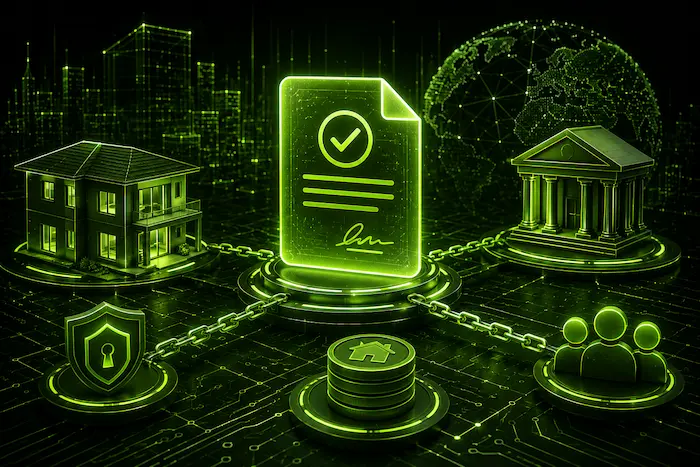
A typical property sale entails the preparation of contracts, confirmation of the ownership rights, verification of the payment and updating of registration documents.
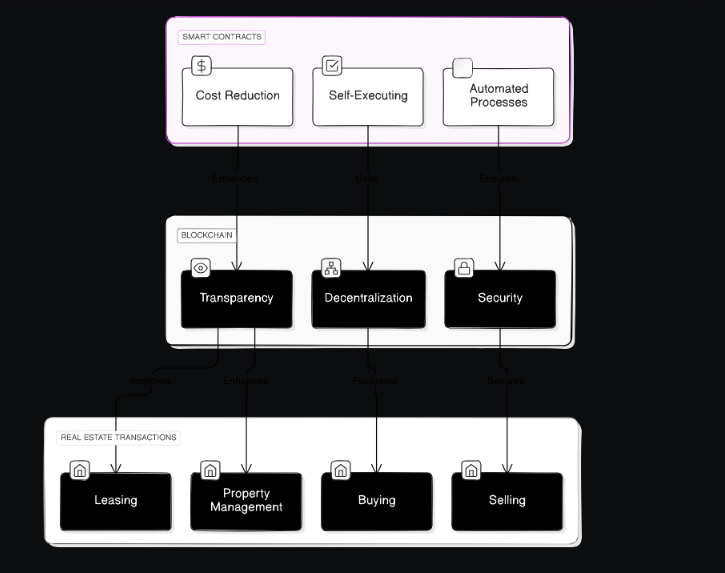
Source: Rapid Innovation
Smart contracts make these tasks automated, such that when the two parties agree on the transaction, and the payments have been made, the transaction takes place via the blockchain.
Paperwork is minimized because of the automated processes that make it difficult for errors to occur.
Documents Involved in Property Transactions
The smart contract replaces a lot of paperwork with digitally stored agreements on the blockchain. All authorized users use one and the same copy of the contract, which minimizes duplication, loss, and tampering with documents.
Using digital data increases the chances of accessing data regarding ownership in the future.
Increasing Transparency
Transactions performed through blockchain technology are recorded forever.
All those who are interested, that is, both sellers and buyers, will be able to track the status of transactions, ownerships, payments, and performance of the contract through the blockchain ledger. It ensures an increase in transparency without the need for maintaining separate databases.
Reducing Administrative Costs
In real estate deals, escrow agents, document certification companies, administrative agents, and other third parties are often involved. These are made automatic by smart contracts that handle many administrative activities that would otherwise need manual handling.
Professional lawyers, financial companies, and government agencies still make their contributions wherever regulations require them, but blockchain makes most of the repetitive administrative procedures easier.
Increasing Transaction Security
Property fraud is an issue in many markets, especially when there are fraudulent documents or unauthorized transfer of ownership.
Blockchain records the smart contract with the help of cryptographic protection. Once the transaction has been stored, any alteration to it becomes difficult as it needs consensus in the network. This permanent transaction history makes auditing possible in the future.
Quick Settlement of Property Deals
Property transactions usually take a couple of weeks because these processes are handled independently.
Several of these operations become possible because of the automatic implementation of processes by smart contracts after the conditions of the contractual agreement are met.
However, government registrations may take time based on the rules set by the local authorities, but the time will be shortened in many administrative processes by blockchain technology.
Real-Time Example of the Process of Smart Contracts Usage in Property Selling
A property deal using blockchain technology consists of automated events in the majority of cases, instead of a number of manual processing stages.
Step 1: The buyer and the seller come to an agreement regarding the terms of selling and these terms are placed into a smart contract.
Step 2: The buyer pays the necessary amount of money through the blockchain-based escrow or payment platform.
Step 3: Payment conditions are checked by the smart contract.
Step 4: If the conditions are met, then the smart contract transfers ownership according to the established conditions.
Step 5: The whole transaction gets recorded in the blockchain permanently.
Tokenization of Property Support
Smart contracts can be used for tokenized real estate, which refers to the tokenization of ownership of a property. Investors do not need to buy the whole property; rather, they can buy it in fractions using smart contracts. Rental income, dividends, or sale proceeds from the property will be distributed proportionally among all stakeholders based on their shares.
This arrangement allows digital management of ownership as well as automated payment distribution.
Smart Contract Vs. Traditional Property Sale
| Traditional Property Sale | Smart Contracts for Property Sale |
| Manual contract execution | Automated contract execution |
| Paper-based documentation | Digital blockchain records |
| Different verification processes | Automated verification process |
| Different recording of ownership | Automatic blockchain record post-execution |
| More administrative involvement | Less administrative involvement |
| Longer time required for settling the deal | Faster execution when conditions are fulfilled |
| Document requirements | Access to the same document by both parties |
Adoption of Blockchain in the Real World Keeps Expanding
Increasing attention is being paid to blockchain-based property transactions in several regions.
Governing bodies are using blockchain technology for the creation of land registers to enhance the precision of records and minimize the chances of fraud. PropTech providers are developing systems where smart contracts will be used in property sales, rentals, and mortgages.
Dubai is one of the most advanced regions in terms of blockchain use in governmental services, whereas Sweden was once a subject of blockchain-based land register testing.
Challenges Persist Along with Adaptation
While adaptation is taking place, it should be noted that smart contracts have not substituted regular property deals yet.
The need for notarization, government clearance or paper records persists in many countries prior to carrying out any transfers of the property title. The legalization of blockchain contracts varies in different regulations as well.
In addition, the existing land registry will have to be connected with the blockchain system.
Conclusion
How Smart Contracts Simplify Property Sales can be seen as part of the transition towards blockchain automation in the management of real estate. Smart contracts automate the process of transaction execution, cut back on paperwork, increase transparency, improve the security of records, decrease administration costs, and speed up the settlement process once all the contract conditions are met.
Frequently Asked Questions (FAQs)
What are smart contracts in property transactions?
Smart contracts are computer programs stored on a blockchain that automatically execute predefined processes when specific conditions, including but not limited to payment verification, have been met.
How do smart contracts make property transactions easier?
Smart contracts automate certain processes during property transactions, including payment verification, transfer of ownership and recording.
Are there any other benefits of smart contracts in real estate transactions?
Yes. Smart contracts will cut down on paperwork since all agreements are digitized through a blockchain, which is accessible only to authorized parties.